
Nearly everyone who creates an estate plan does so to benefit their family members. This can be much more complicated than it sounds. Even in families where parents are married and only have children with each other, there can be serious conflicts about how assets are distributed upon one’s death. In blended families, where a decedent might be married to someone who is not the parent to all of the decedent’s children, serious disputes are even more commonplace. Often, disagreements can linger for years, even when seemingly enough assets exist to provide a satisfactory resolution for everyone involved.
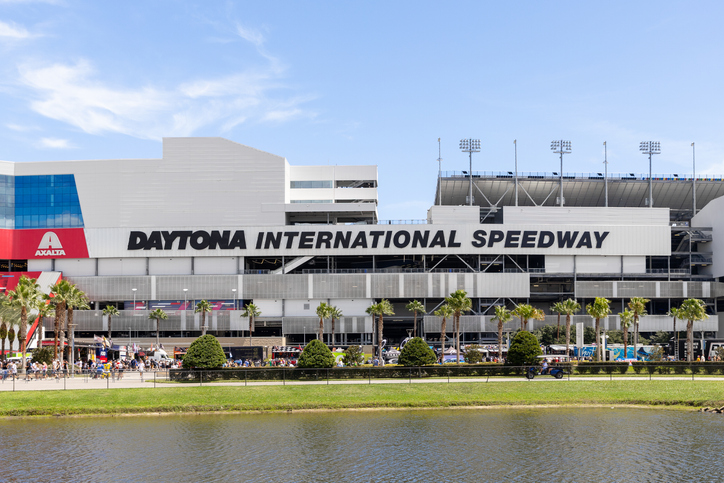
A famous North Carolina family demonstrates how problematic the aftermath of a loved one’s death can be when the challenges associated with blended families are not addressed properly. NASCAR legend Dale Earnhardt died more than 24 years ago following a tragic crash at the Daytona 500. He was married to his third wife, Teresa, with whom he shared a daughter. Upon his death, Dale Sr. also had three children from his first two marriages, most famously fellow NASCAR Hall of Famer Dale Earnhardt Jr.
When Dale Sr. died unexpectedly, it is reported that he essentially left his entire estate to Teresa. This included ownership of his now-defunct race team, known as Dale Earnhardt Incorporated (DEI). Reportedly, Dale Sr. had not updated his will for nine years before his death. During this time, Dale Jr. grew into adulthood and become an accomplished NASCAR driver in his own right. Problems between him and his stepmother appear to root from clashes over the management and control of DEI. Moreover, there have also been problems between the older Earnhardt children and Teresa involving visiting the gravesite of Dale Sr. on her property and use of the family name in an unrelated business.
It’s certainly possible that Dale Sr. wanted to put his entire fortune in Teresa’s hands, even at the expense of his children from previous marriages. However, given the changes that had occurred since he last updated his estate plans, his wishes should have been expressed much more clearly. A sound estate plan includes direct provisions for asset distribution, assignment of business responsibilities and a mechanism for resolving potential disputes.
Transparent and ongoing communication is also essential. Engaging family members in open discussions about estate plans not only fosters understanding but also builds trust and reduces uncertainty. These conversations should be facilitated with sensitivity, acknowledging the diverse perspectives and potential emotional conflicts involved.
Additionally, appointing a neutral third party, such as a professional trustee or executor, can help circumvent biases and ensure impartial administration of the estate. This approach can mitigate the risk of power struggles and help in fairly addressing the interests of all beneficiaries, which is crucial in preserving family harmony.
Donald R. Fuller, Jr., PLLC in Hickory handles all aspects of estate planning for North Carolina clients. This includes the construction of trusts for asset protection in addition to my probate work. I enjoy working with individuals and families to create plans tailored to their specific situation. For a consultation, please call 828-639-8188 or contact me online.


-
 5.0/5.0
Don Fuller is the epitome of a wonderful attorney and a true Southern gentleman. Mr. Fuller listened to the needs of our family and was always willing to go the extra mile to help us. If you need a caring, kind and extremely capable attorney, Don F...
-
5.0/5.0
Mr Donald Fuller has represented me and my family with excellent support, information, kindness and always with a smile. I Pandora Dula refer Mr Fuller to other clients that I meet
-
5.0/5.0
Atty Don Fuller prepared a will and powers of attorney for me. He was highly professional and extremely knowledgeable. He listened to my concerns and explained everything completely. I highly recommend him.
-
5.0/5.0
Mr Fuller was the most helpful, affordable, and patient attorney we have ever had the pleasure of working with. He took the time to listen to what we were looking for and helped us with the most affordable options. We are very satisfied with the amou...
-
 5.0/5.0
Mr Donald R. Fuller, Jr. was very thorough in preparing our powers of attorney, medical directives and wills according to our wishes and explaining...
